


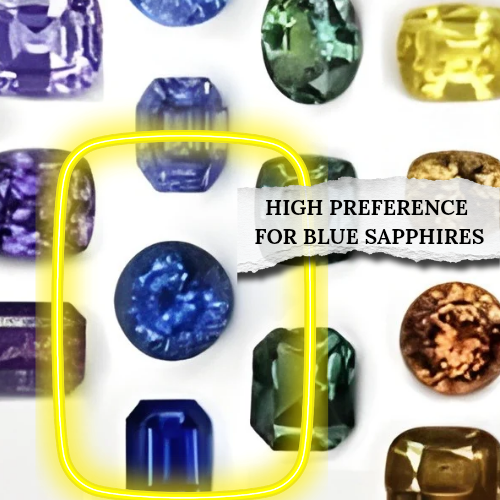
For centuries, the term sapphire was almost universally associated with the color blue. Early gem traders, royal treasuries, and collectors used the word without reference to any other color, as blue sapphires were the only varieties recognized and defined in historical records. This long-standing belief persisted well into the modern era until scientific advancements in gemological study revealed the remarkable truth: sapphires actually occur in a spectacular spectrum of colors. Today it is well understood that sapphire, the gem variety of corundum, is available not only in blue but also in pink, yellow, green, purple, orange, colorless, and even rare combinations showing two or more colors.
DISCOVERING SAPPHIRE COLORS
The revelation of the full color palette of sapphires emerged when gemology became a formal scientific discipline in the 19th and 20th centuries. Advanced laboratory instruments allowed experts to study trace elements responsible for color. Blue sapphires derive their color primarily from iron and titanium; pink sapphires contain traces of chromium; yellow sapphires reflect the presence of iron; and the highly coveted Padparadscha sapphire—a delicate blend of pink and orange—results from a precise mix of chromium and iron.
Spectroscopic analysis and microscopic observation helped classify these varieties with accuracy, breaking the historical misconception that sapphires were only blue.
Despite the newfound appreciation for fancy-colored sapphires, blue sapphires have remained the most celebrated and sought after. Their deep celestial hues have long symbolized nobility, purity, and divine favor. Across continents and eras, blue sapphires command higher premiums, especially when exhibiting velvety or cornflower blue tones. These top colors, particularly associated with the now-depleted Kashmir deposits, are still revered as the epitome of sapphire beauty.
LEGENDARY BLUE SAPPHIRES
The Spirit Of Kashmir
The largest known Kashmir blue sapphire recognized by the Guinness World Records is a gemstone named The Spirit of Kashmir, weighing 150.13 carats. This impressive cushion gem was officially recorded on 10 November 2023, in Dubai, by Goldiama LLC. That a 150.13-carat Kashmir sapphire exists — intact, natural, and graded for quality — is remarkable. Given that mining in the original Himalayan deposits (in the Zanskar range) ceased over a century ago, sapphires from that region became extremely rare and highly prized.
The Zanskar Crown Sapphire
One of the much talked about Kashmir blue sapphires in recent times, the Zanskar Crown Sapphire stands out as a celebrated example from Kashmir. The elusive sapphire is believed to have been set in a splendid necklace worn by the Maharaja of Kashmir, this sapphire embodied the iconic velvety blue that established Kashmir’s unmatched reputation. The gem’s fine saturation and soft, glowing character exemplify the finest qualities of Old Mine Kashmir sapphires, making it a significant reference point for collectors and historians.
Lady Diana Sapphire Ring
Another iconic blue sapphire etched in modern memory is the gemstone mounted in the sapphire and diamond engagement ring presented to Lady Diana Spencer in 1981. The ring featured a vivid royal blue Sri Lankan sapphire weighing over 12 carats, surrounded by diamonds. Its popularity soared worldwide, and the ring continues to captivate the public as it is now worn by Catherine, Princess of Wales. This single gemstone significantly influenced global interest in blue sapphires and remains one of the most recognized sapphire jewels of contemporary history.
The Star Of India
A number of other famous blue sapphires contribute to the rich tapestry of sapphire lore. The Star of India, a 563-carat star sapphire housed in the American Museum of Natural History, is one of the largest and most distinguished star sapphires discovered.
The Bismarck Sapphire
The Bismarck Sapphire, a striking 98.6-carat Burmese sapphire, also in the Smithsonian collection, is admired for its exceptional clarity and royal blue color. These historic gemstones highlight the global fascination with the blue variety of corundum and demonstrate how the allure of sapphire has shaped both artistic and royal heritage.
MAJOR SOURCES OF BLUE SAPPHIRES
Kashmir (India): Famous for the velvety cornflower blue, often considered the world’s finest sapphire color. Kashmir’s primary deposits were exhausted in the early 20th century, making these gems exceedingly rare.
Sri Lanka (Ceylon): Known for bright, lively blue sapphires ranging from pastel to richly saturated royal blue. Sri Lanka remains one of the most reliable producers of high-quality sapphires.
Myanmar (Burma): Produces deep, vivid blue sapphires, often with exceptional clarity.
Madagascar: Now a major supplier, Madagascar produces stones similar in appearance to Sri Lankan and even occasionally Kashmir-like material.
NOTES
Although centuries of tradition linked sapphires almost exclusively to the color blue, scientific advancement expanded the gemstone’s identity to include a kaleidoscope of colors. Yet, despite this colorful diversity, blue sapphires continue to reign supreme in desirability and historical prestige. From the legendary Zanskar Crown Sapphire to the beloved sapphire ring of Lady Diana, blue sapphires have left an indelible mark on royal collections, museum treasures, and the global gem trade. Meanwhile, sources across Sri Lanka, Madagascar, Myanmar, Tanzania, and other regions continue to provide the world with remarkable blue, pink, and orange sapphires—each a testament to the natural beauty and geological wonder of corundum.
